Front Open Tree + Back Closed Parallel + Swivel + Heel Press 180
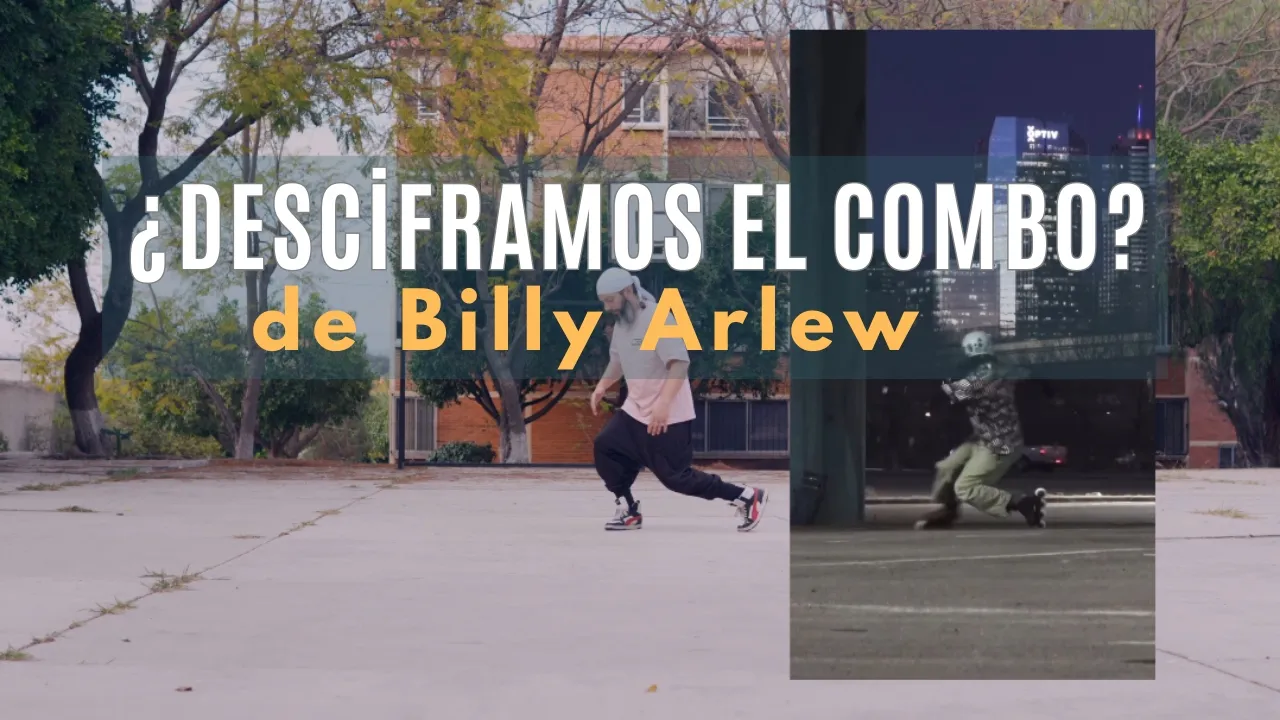
Third combo of the long-lines block: you enter with a kick into a front open tree, collapse it into the back closed parallel position, throw the swivel and exit straight into the heel press 180. A combo that invites flow: the moment of the collapse and the rhythm are yours to decide.
Eleventh episode of Combos of the Week, third of the third block. Each block focuses on one concept, and in this one we're putting together slightly more complex lines using only the Wizard-style fundamentals and the elements from the previous blocks. The elements of this combo: an open tree with a kick entry, a back closed parallel, a swivel, a heel press and a 180 exit out of the heel press. Each one isn't explained in detail — for that you have their tutorials and the previous combos —, but there are a couple of tips and ideas for this line.
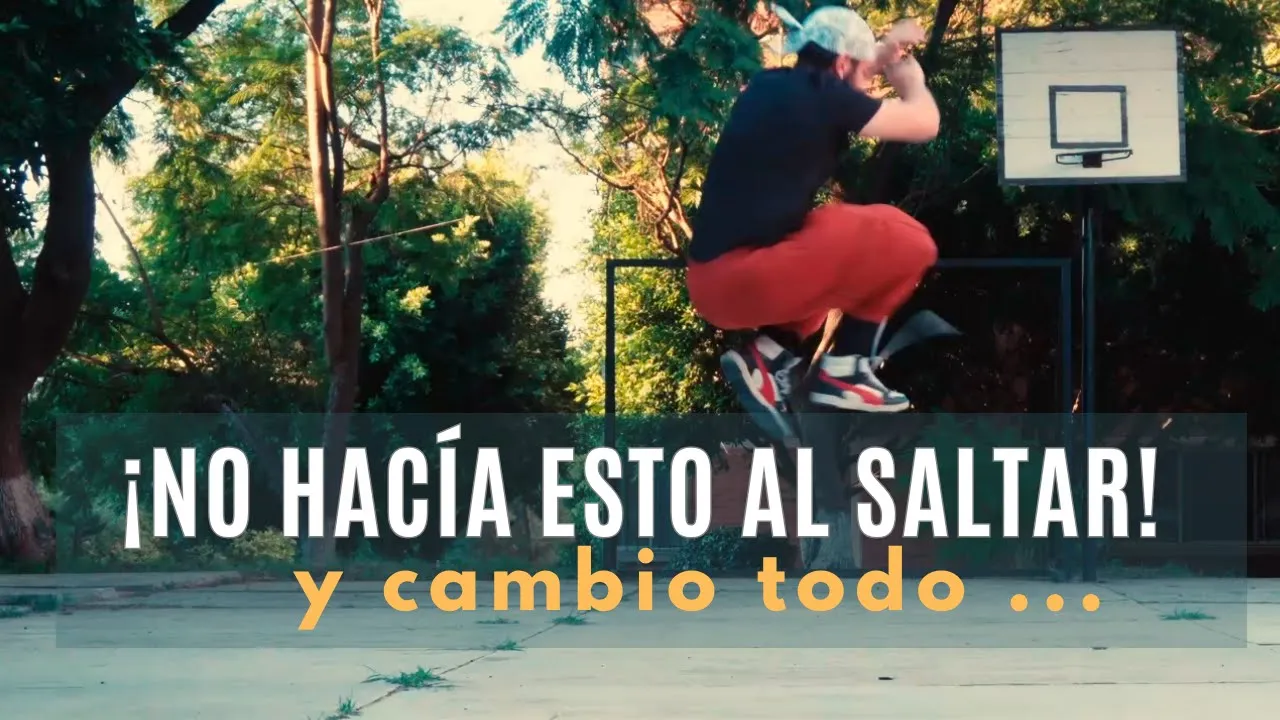
For the entry kick there are two options: enter with a swing, or the one proposed here: raise your knee above your hip and, in that action, extend from the quadriceps and push to make the kick. When you retract and open the hip you have more control than if you try to open it from the swing. It's personal taste and it falls under the aesthetic you're after in your movements. Once you make the opening and enter the open tree, you go all the way to the point where it would turn into a lion, and there you collapse into the back closed parallel position: you simply rotate and let the body settle into that position. When you collapse you keep the parallel closed, throw the swivel to push, exit into the heel press and go from the heel press straight into the 180.
This combo invites flow: by holding the open tree you gain a gliding sensation, and there's no rush to finish it. You can prolong it according to the width of the arc you draw on the floor and collapse it whenever you want: the suggestion is at the moment it would turn into a lion, but it can be earlier, or you can even try to close the entire circle and then collapse. After the collapse there's a change of rhythm that you also decide: keep it gliding or speed up at that point to do the swivel straight into the heel press and collapse it into the 180. There are no rules: it's a guide, a proposal for you to play and, from that play, discover new movements and new ways of approaching this style of skating.
Steps
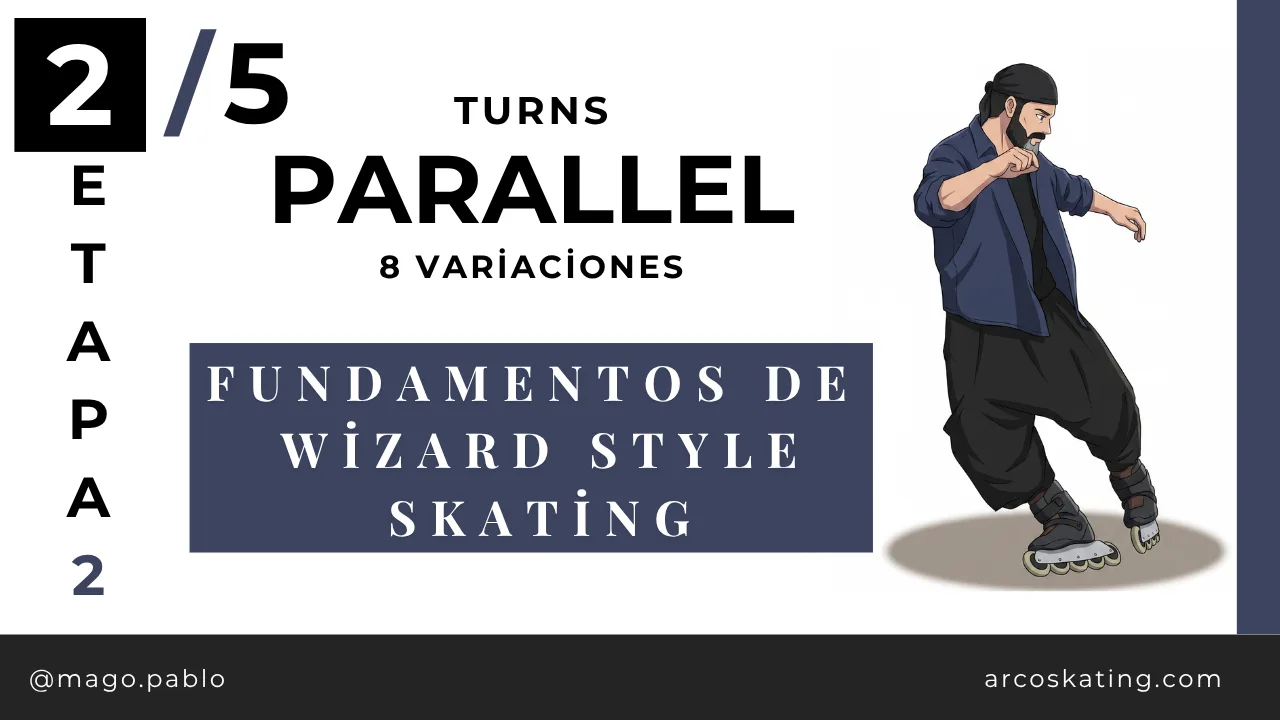
- Check the prerequisites: the open tree (trees), the back closed parallel and the swivel (parallels and combo #8, back closed parallel + swivel 360) and the heel press with its 180 exit (combo #1, where the 180 is a collapse, not a jump). The episode doesn't teach any of them: it gives tips for the entry kick and the collapse, and shows the line.
- The entry kick: raise your knee above your hip and, from there, extend from the quadriceps and push. By retracting and opening the hip you control the opening better than if you look for it from a swing. If you prefer the swing, that works too: it's a matter of the aesthetic you're after.
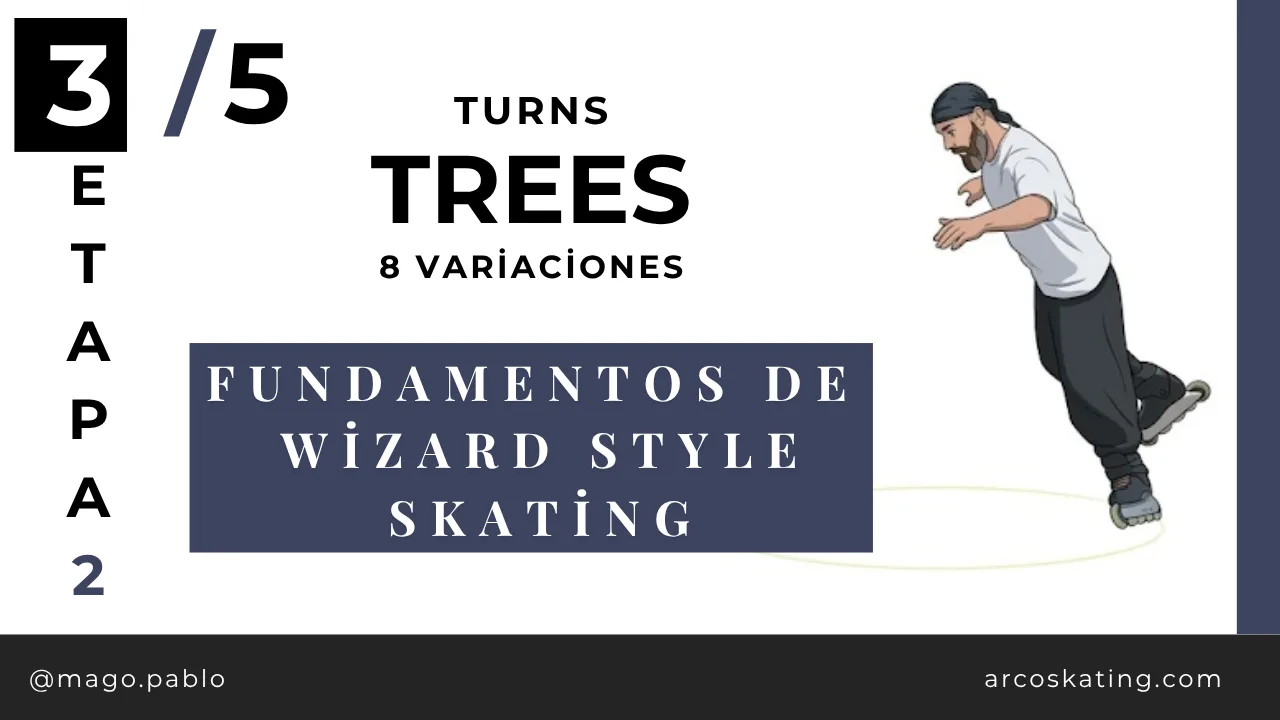
- Front open tree: with the opening from the kick you enter the open tree and hold it while it draws its arc on the floor. No rush: that gliding is part of the combo, and you decide how long you prolong it.
- The collapse: at the point where the open tree would turn into a lion (or earlier, or after closing the entire circle), rotate and let the body drop into the back closed parallel position. Don't force it: the body settles into the position on its own.
- From the back closed parallel to the swivel: keep the parallel closed as you collapse and throw the swivel to push; the swivel leaves you perfectly set for the heel press.
- Heel press 180 exit: from the swivel straight into the heel press, and from the heel press you collapse into the 180. Here you decide the rhythm: keep it gliding or speed up on the swivel → heel press 180. Practice both versions and stick with the one your body asks for.
Common mistakes
- Opening the kick from the swing without control: if the hip doesn't retract and open, the opening into the open tree comes out loose. The version with the knee above the hip and extension from the quadriceps gives you more control.
- Rushing the open tree: the combo invites flow; if you collapse as soon as you enter, you lose the gliding that gives the line its meaning.
- Going past the collapse point without deciding it: if the open tree turns into a lion by accident, you no longer collapse into the back closed parallel. Decide beforehand where you collapse: at the lion point, earlier, or closing the entire circle.
- Forcing the back closed parallel position: the collapse is rotating and letting the body settle into the position; if you build it by force, the swivel comes out with no push.
- Jumping the heel press 180: the exit is a collapse from the heel press into the 180, as in combo #1, not a jump.
- Taking the line as the only version: the moment of the collapse and the rhythm of the exit are yours; there are no rules, it's a proposal for you to play.
In one sentence
Third combo of block 3: kick (knee above the hip, extension from the quadriceps) → front open tree held while it draws its arc → collapse into back closed parallel at the point where it would turn into a lion → swivel → heel press → collapse into the 180. It invites flow: you decide how long you prolong the open tree, when you collapse, and whether the exit glides or speeds up.
Support the project
New combo every Monday. Subscribing to the channel is the most direct way to support Arco and keep the tutorials coming.
More ways to supportFrequently asked questions
- How do you do the entry kick into the open tree?
- There are two options: with a swing, or by raising your knee above your hip and, from there, extending from the quadriceps to push the kick. The second gives you more control when you retract and open the hip. It's personal taste: it depends on the aesthetic you're after in your movements.
- When do I collapse the open tree?
- Whenever you want. The suggestion is at the point where the open tree would turn into a lion: instead of doing the lion, you collapse into the back closed parallel position. It can be earlier, or you can try to close the entire circle and then collapse.
- What does collapsing into back closed parallel mean?
- Rotating and letting the body settle into the back closed parallel position, without building it by force. When you collapse you keep the parallel closed and from there you throw the swivel to push.
- Should the exit be slow or fast?
- You decide. After the collapse there's a change of rhythm: you can keep it gliding or speed up at that point to do the swivel straight into the heel press and collapse it into the 180. Neither version is the right one: play with what your body asks for.
Sources
The nomenclature of families and variations follows the official source. The drills, progressions and teaching concepts around it are ARCO's own elaboration, created to communicate the ideas.
Skate with protective gear and at your own pace: skating carries a risk of falls. Read the terms of use.