Predator
Your 'ready position' while rolling. 8 variations that are the foundation of the entire style.
Predator is the first stage of the official Wizard Skating base fundamentals. It's the foundational stance you adopt while rolling — a dynamic balance between body control, foot position, and reading the ground.
There are 8 variations: one or two feet × forward or backward × left or right. Learning all of them isn't just muscle memory; it's building the vocabulary on top of which every other move in the style is built.
If your Predator isn't solid, no Turn or Transition will come out clean. It's worth dedicating weeks — not days — to it before moving on to Parallels.
Steps
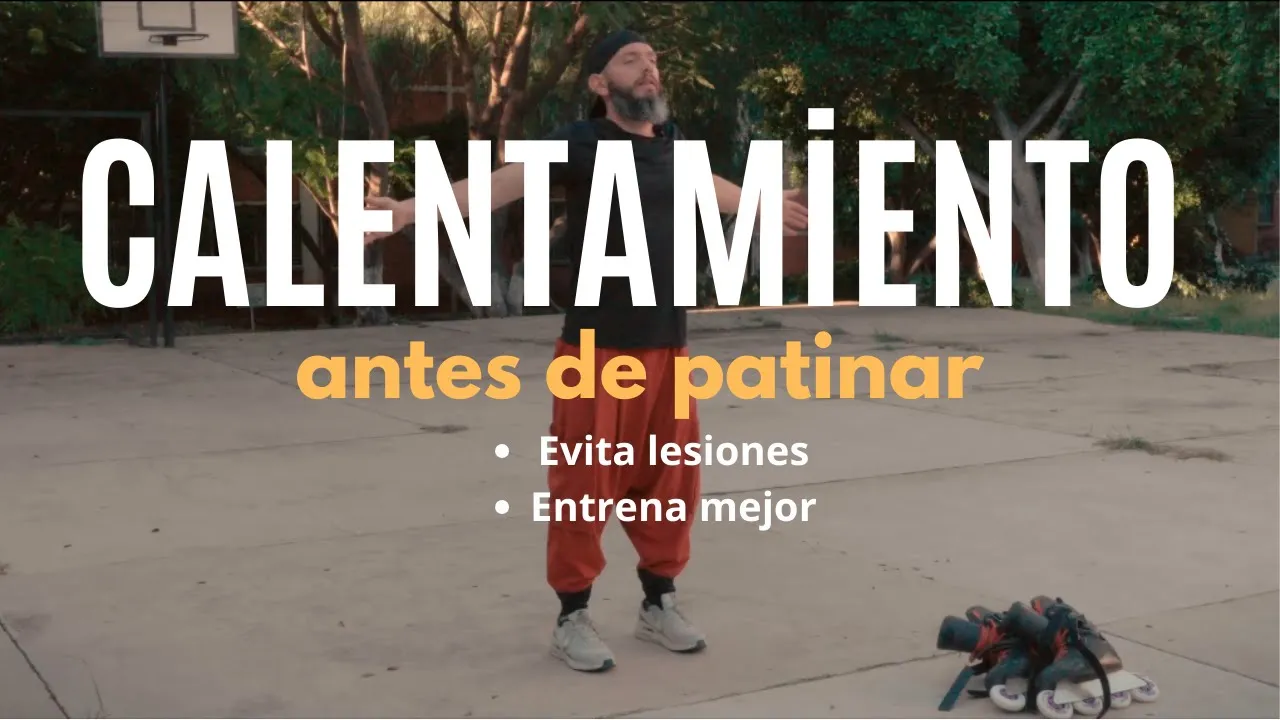
- Stance without skates: feet hip-width apart, one slightly forward. Weight distributed between both but with a slight preference toward the back leg. Arms in front like a predator or praying mantis. Gaze on the horizon.
- Awareness exercise: play with your weight — forward, back, sides, even with eyes closed. Gently lift each leg to feel where and with what you're stepping. That awareness is the foundation of everything that follows.
- One-leg Predator · forward: consciously transfer weight to the back leg. Lift the front leg with the knee at hip height (90 degrees). Arms in front in 90 degrees.
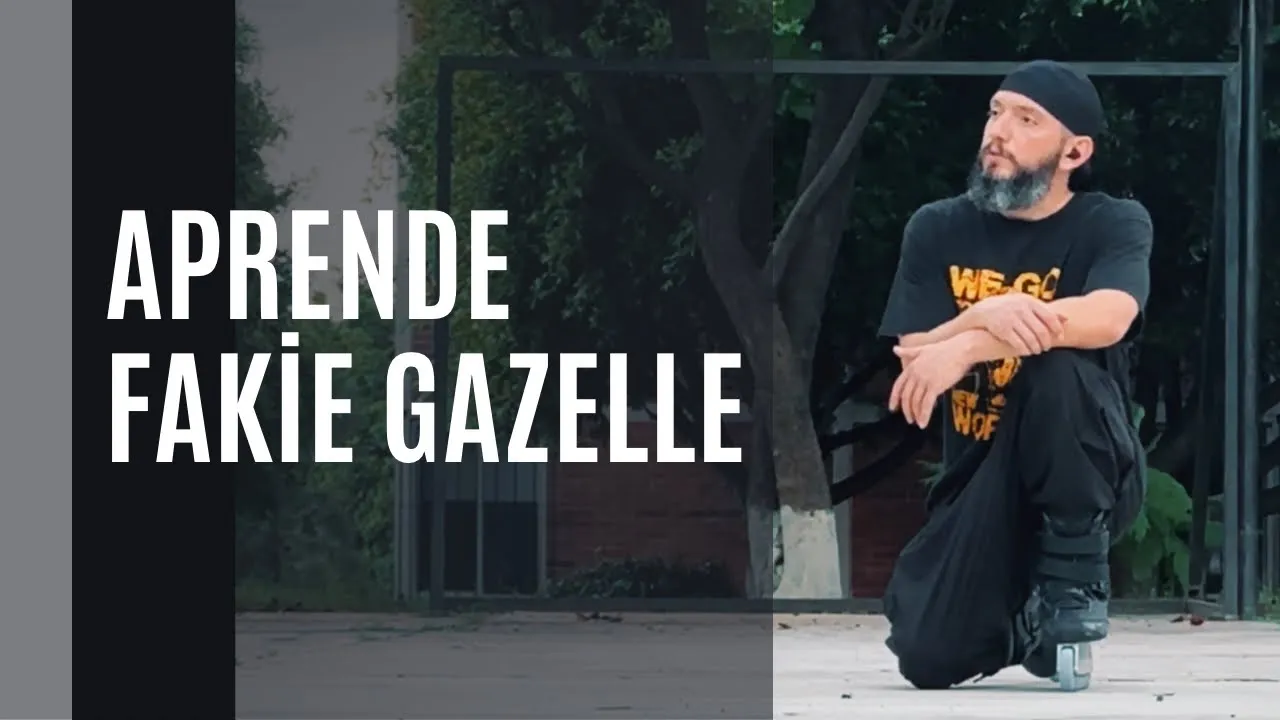
- One-leg Predator · fakie (backward): transfer weight forward without leaning the torso. Rotate trunk and hip to lift the back leg — this lifted leg is known as the Tail.
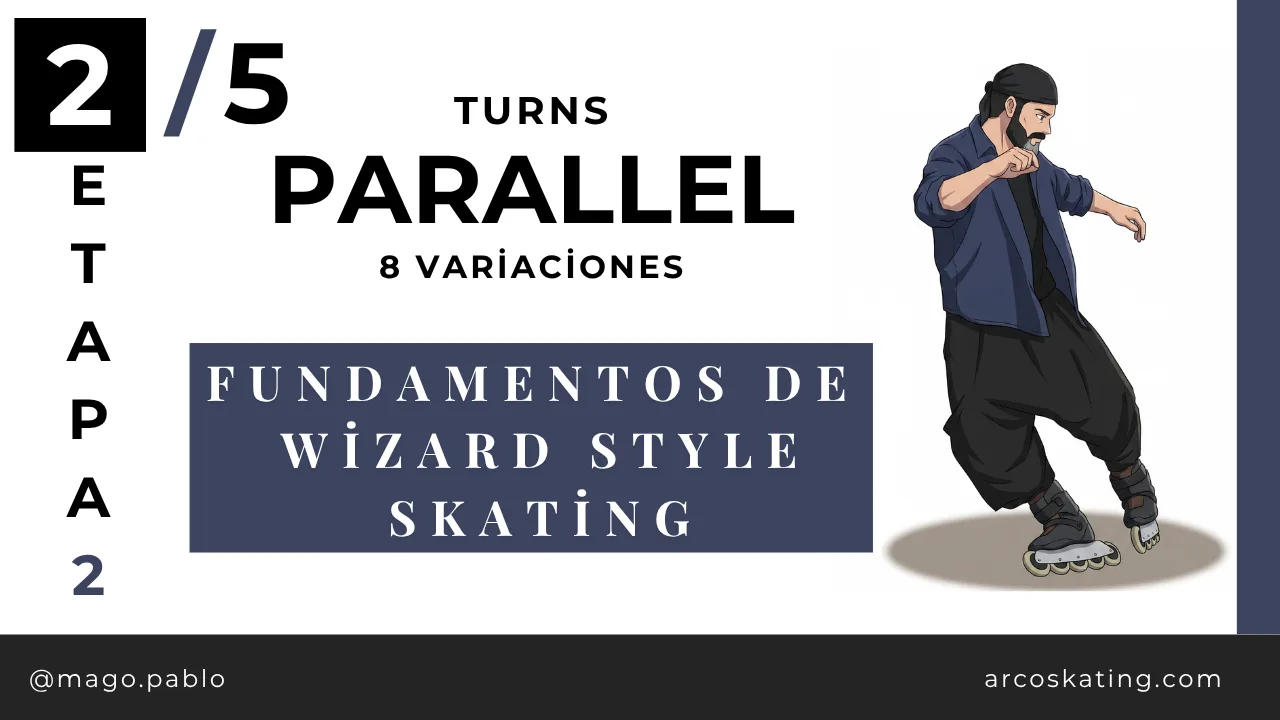
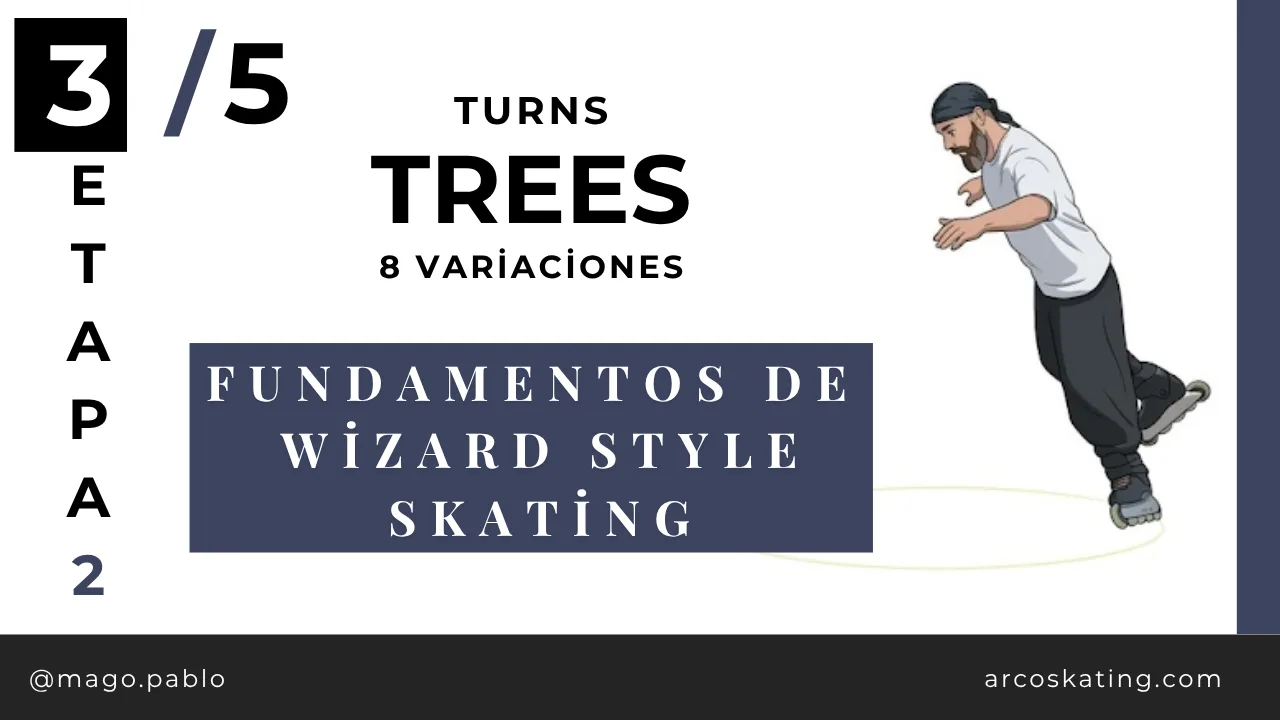
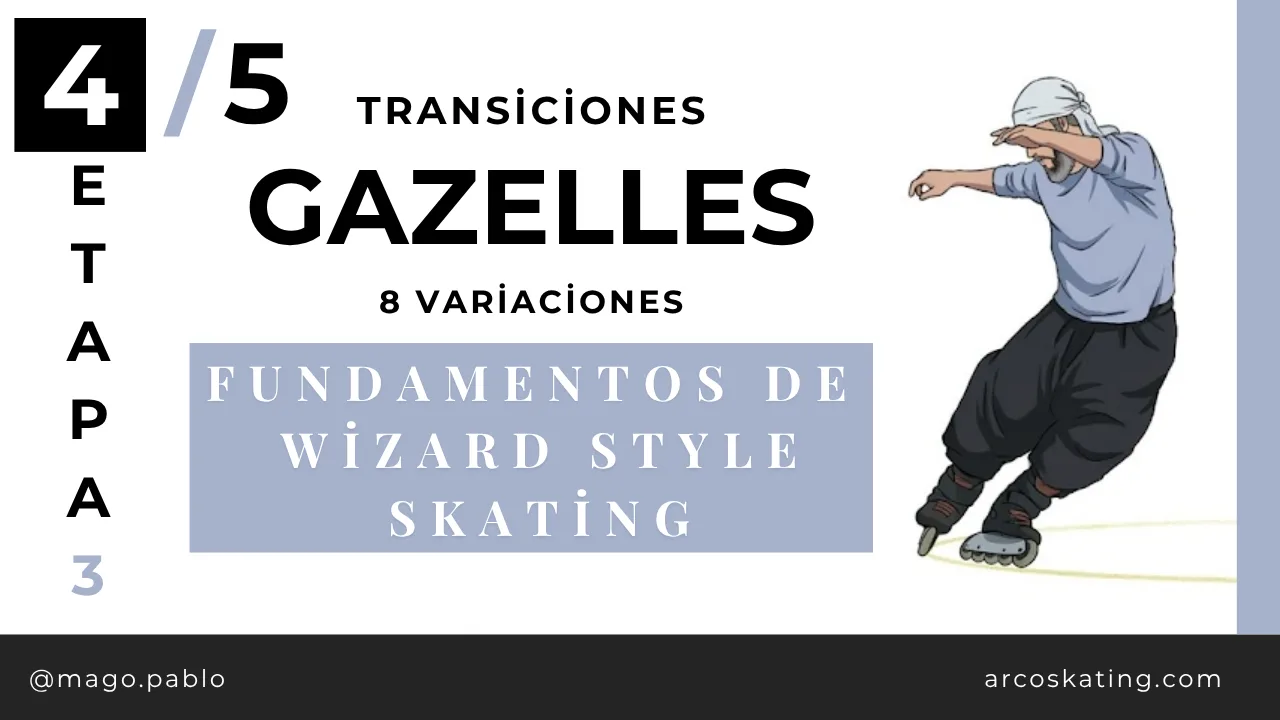
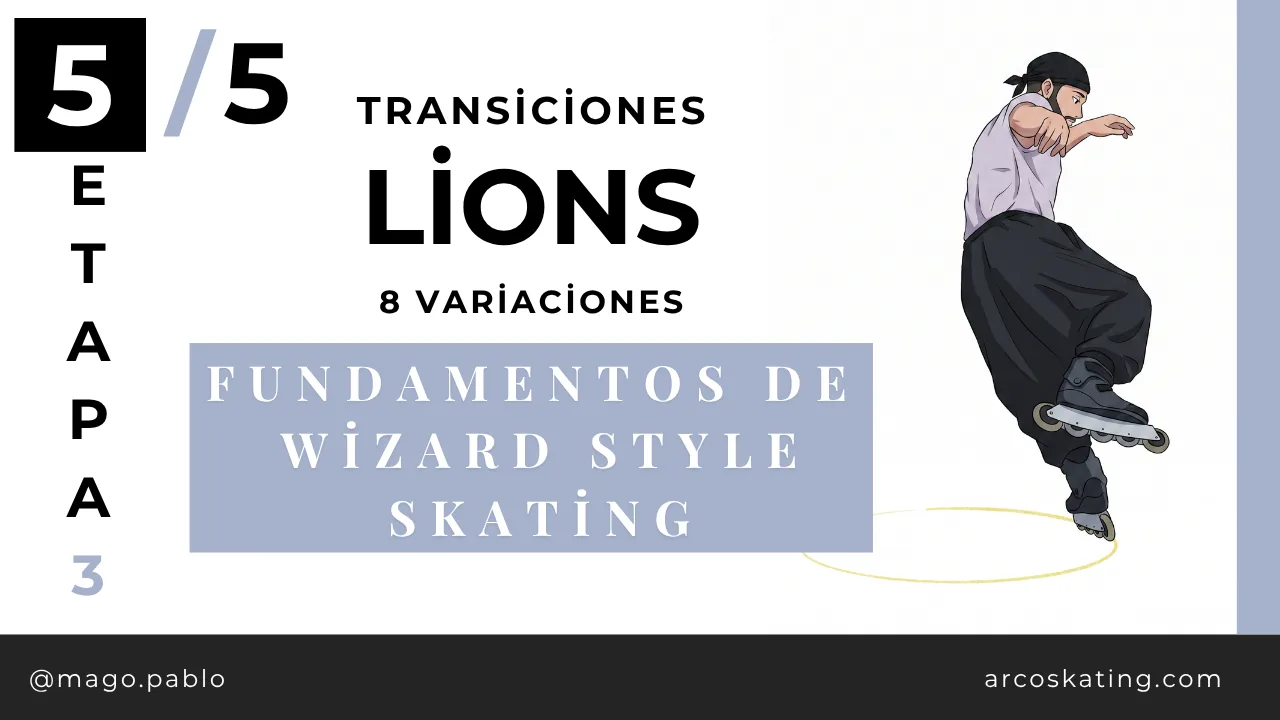
- The 8 variants: combine open/closed × forward/fakie × left/right. Open = shoulders, hip and legs aligned. Closed = torso rotation relative to the legs. This pattern applies equally to Parallels, Trees, Gazelles and Lions.
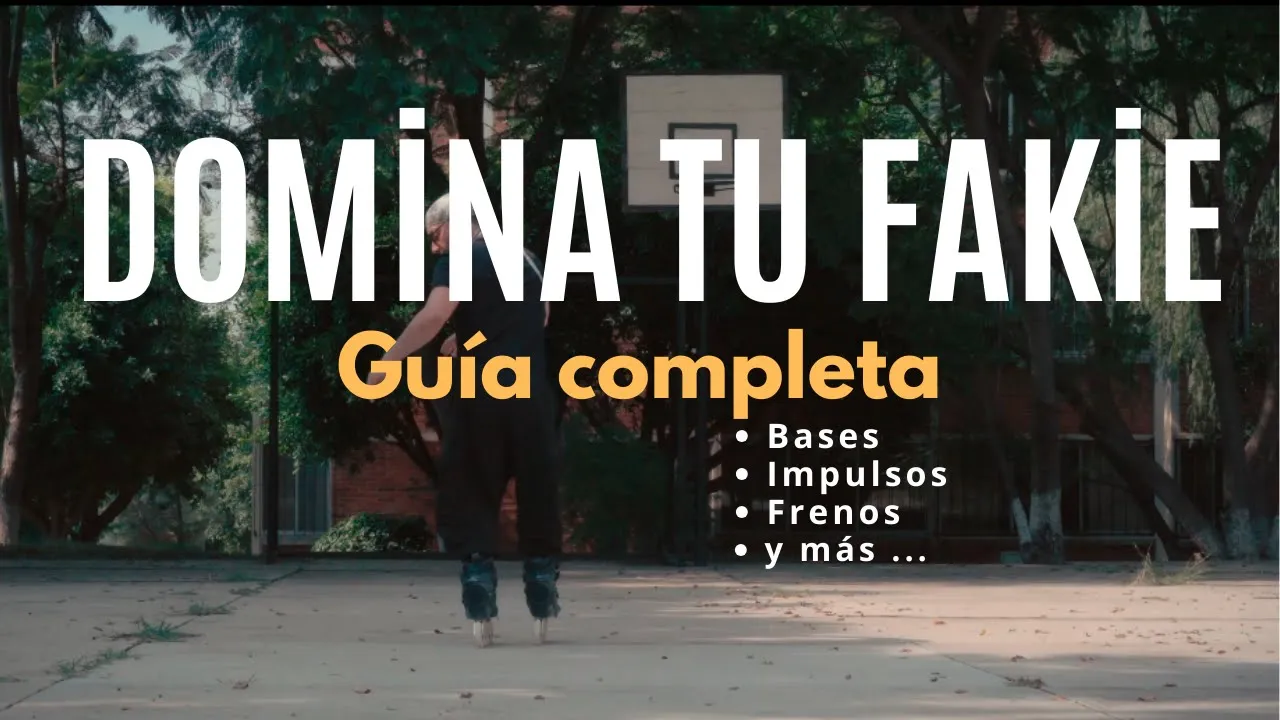
- With skates: take a couple of steps, set your stance, and let the skate roll on its own. Switch legs while moving. Practice all variants — that awareness is the foundation from which everything departs.
Common mistakes
- Looking at the ground: a dropped head breaks your balance and pushes the torso forward. Your gaze goes to the horizon; the ground is read with your feet.
- Distributing weight without awareness: Predator isn't just standing — play your weight toward the back leg and feel which part of the foot is pressing.
- Low knee in the one-leg version: if the knee doesn't rise to hip height (90 degrees), the body compensates with the torso and you lose the stance.
- Skipping the uncomfortable variants: practicing only your dominant side leaves 4 of the 8 variants unbuilt — and it shows as soon as Parallels arrive.
In one sentence
Predator isn't a trick: it's the stance the entire style is born from. Build it with weeks of awareness — weight, gaze and the 8 variants — and everything that follows will come out cleaner.
Sources
The nomenclature of families and variations follows the official source. The drills, progressions and teaching concepts around it are ARCO's own elaboration, created to communicate the ideas.