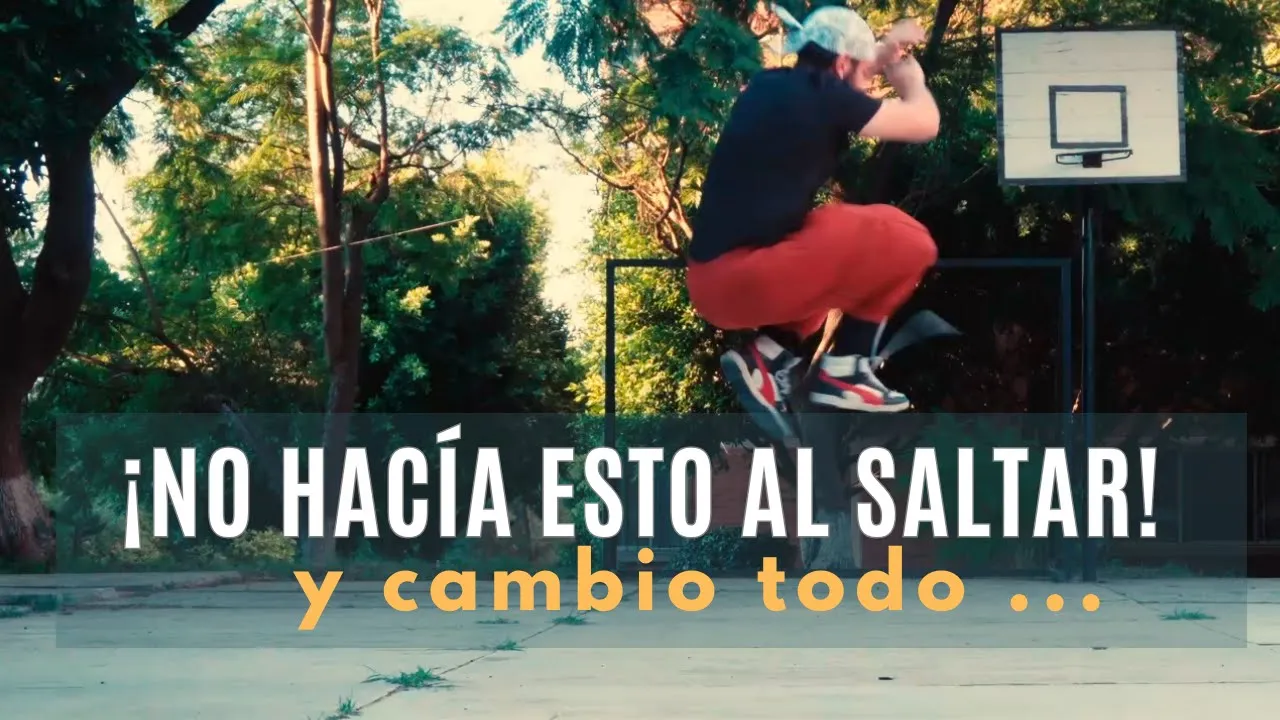
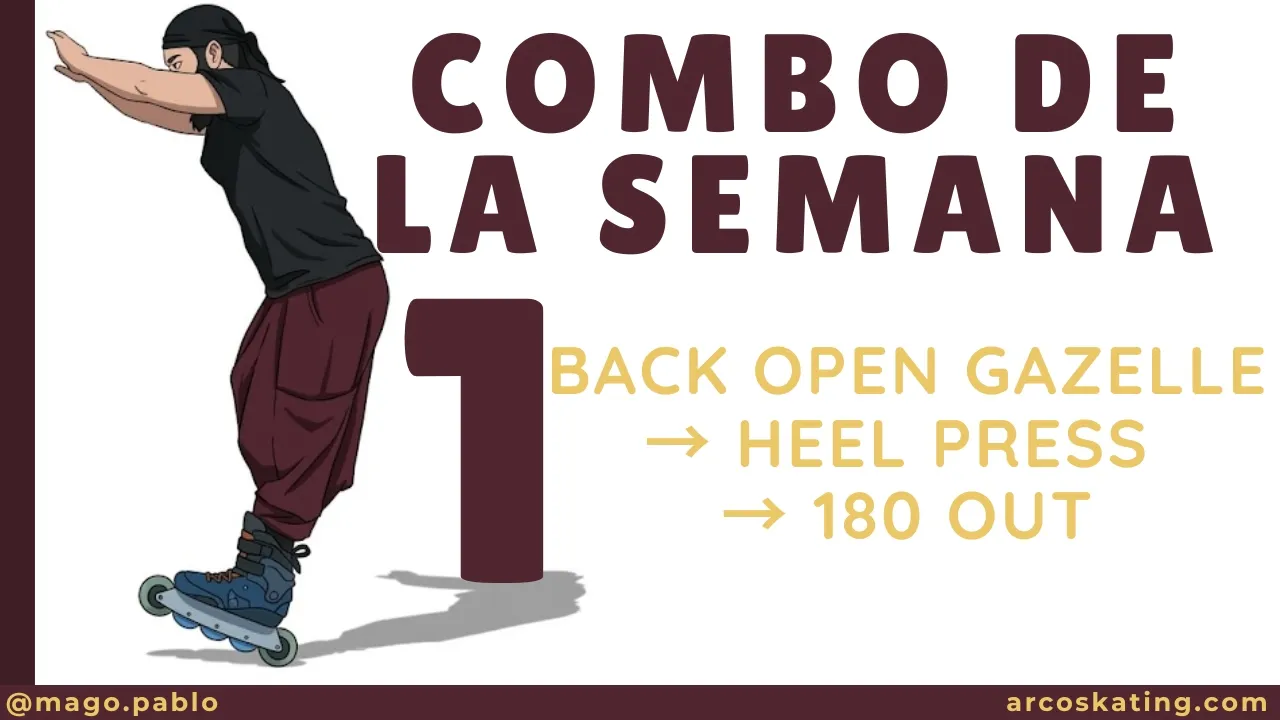
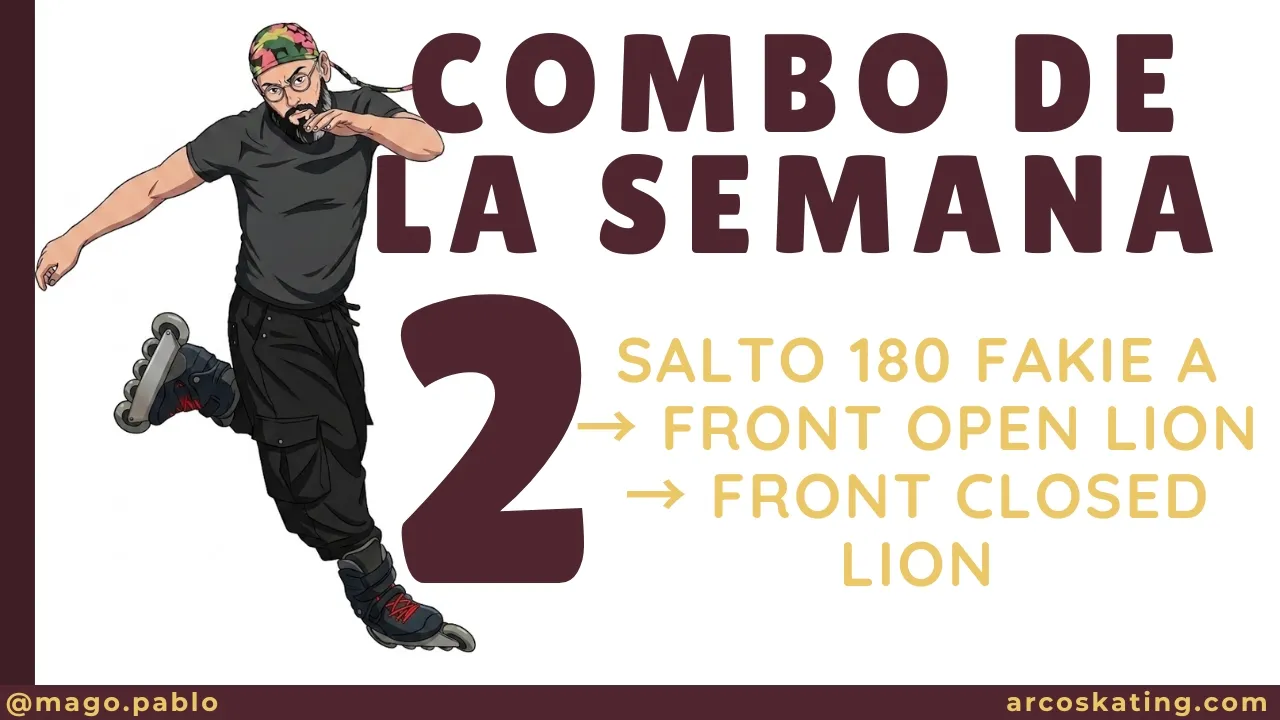
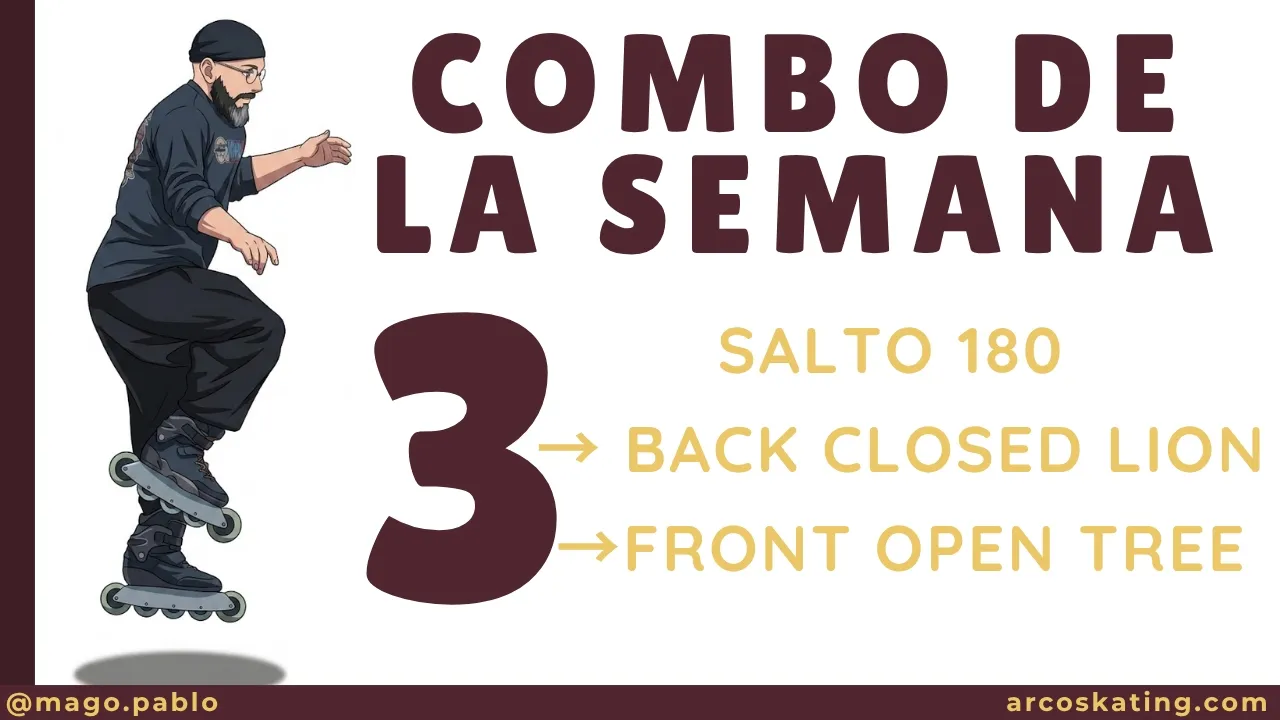
Back Open Gazelle + Lions + Fakie Toe Press + 180
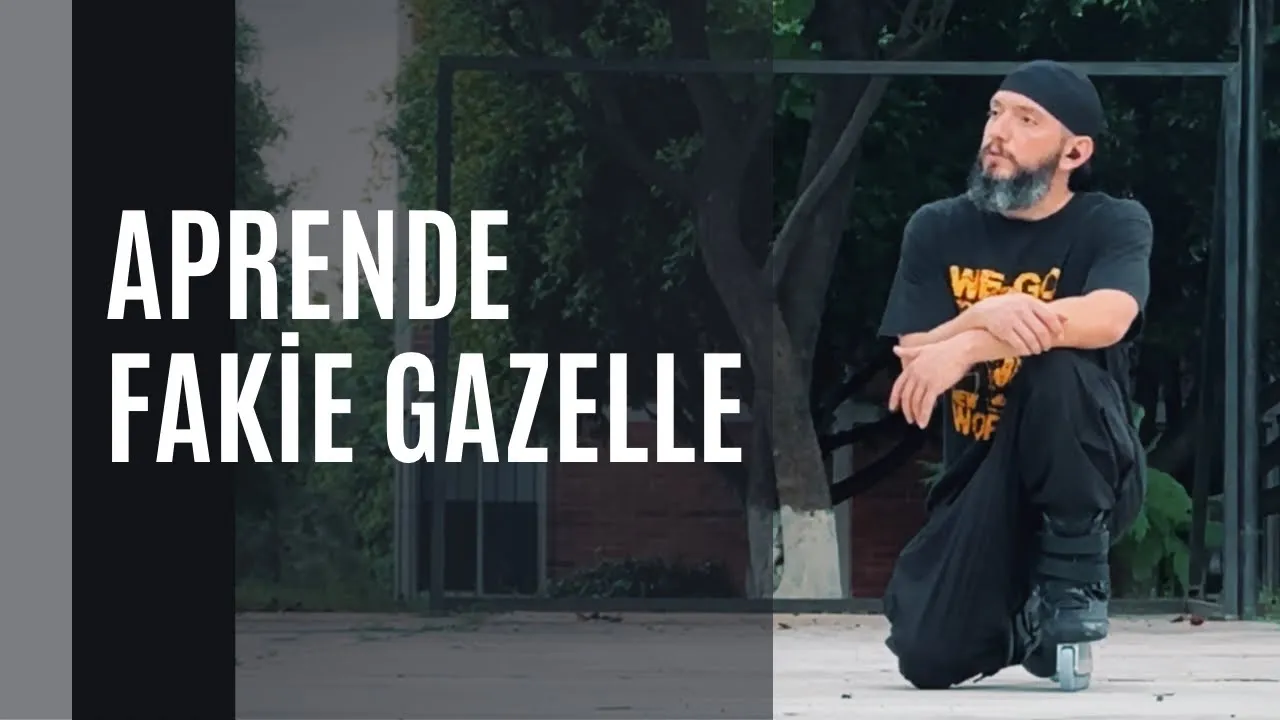
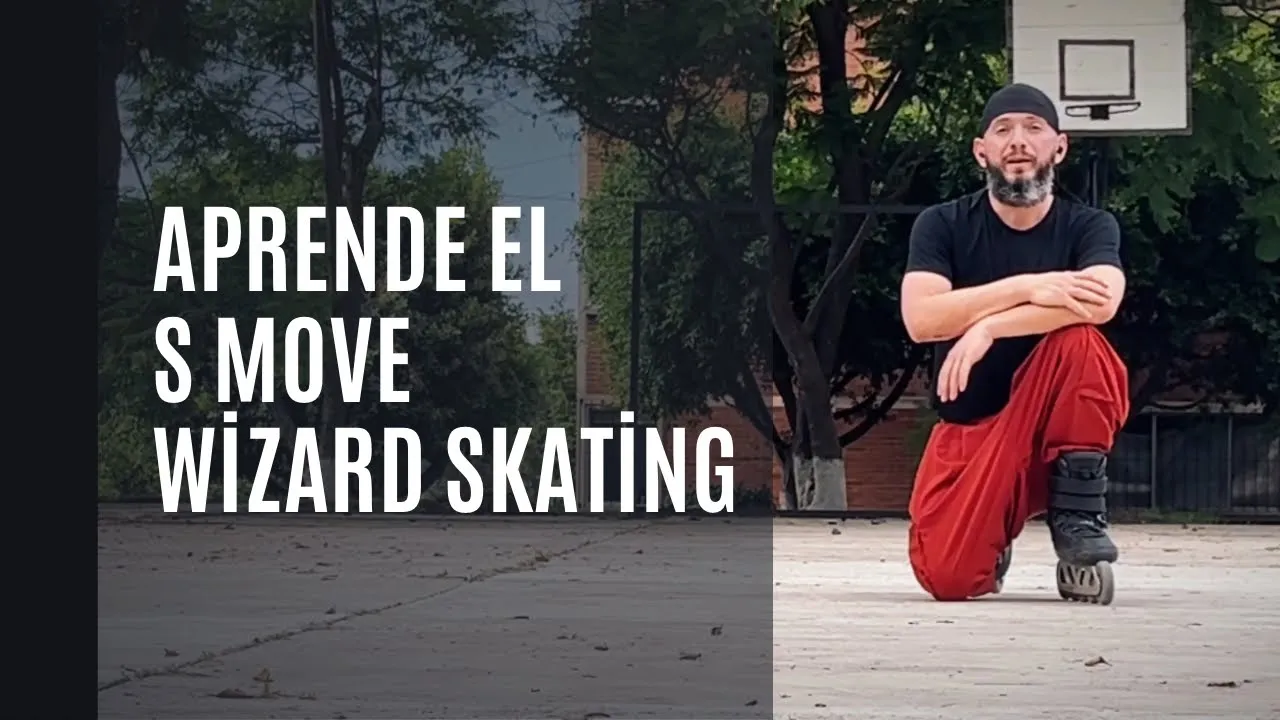
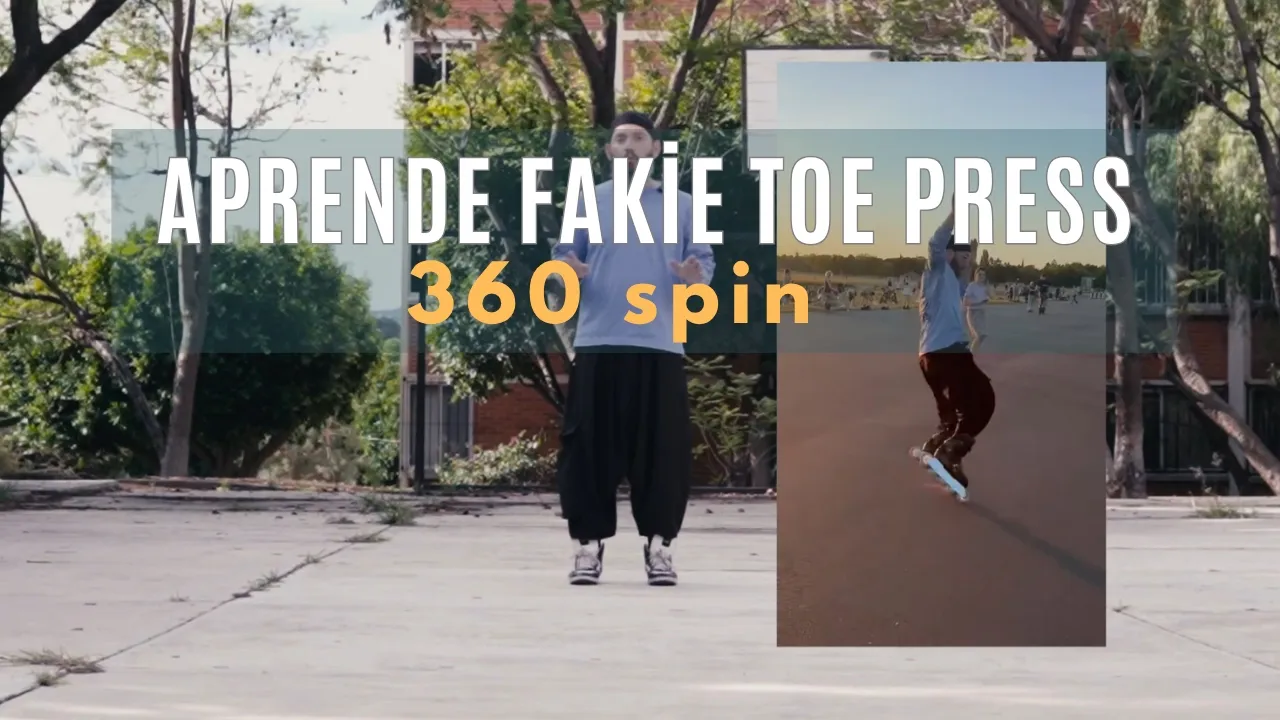
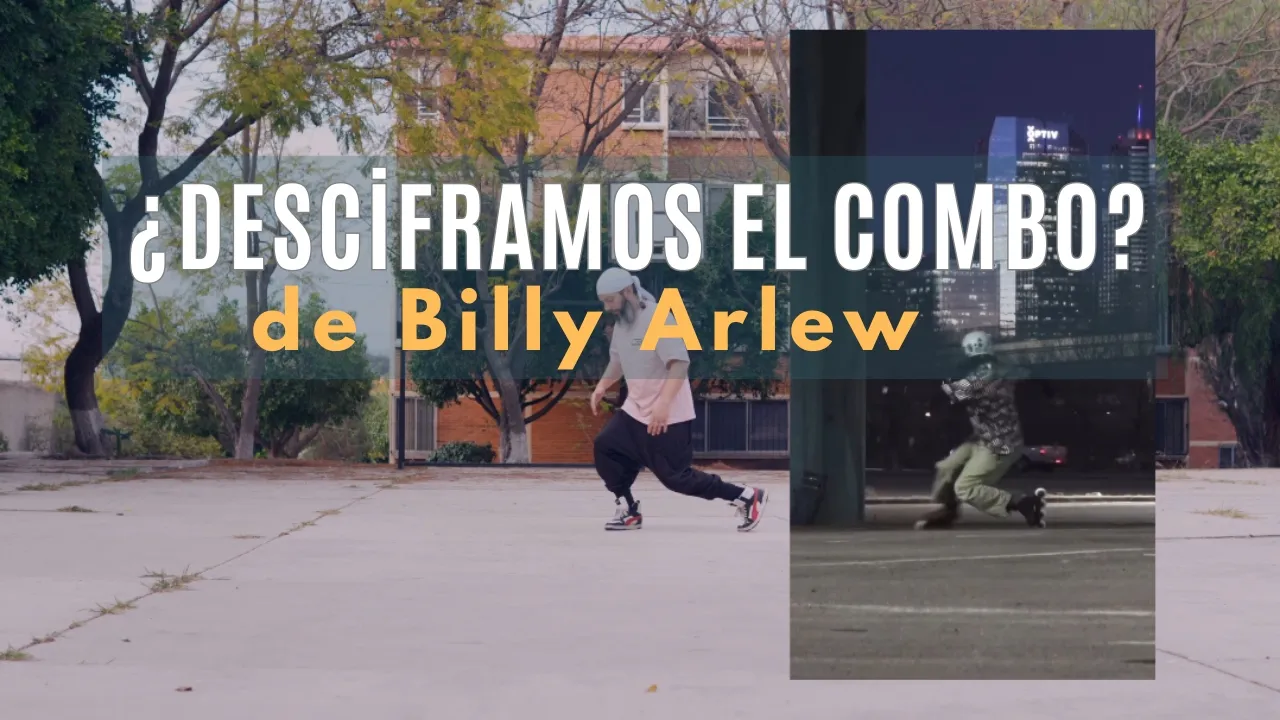
Opens the series' third block: longer, more complex lines, assembled with movements you've already internalized. Back open gazelle → front closed lion → back open lion → open tree → 180 → fakie toe press → pop 180.
Ninth episode of Combos of the Week and the start of the third block. If you're new here, this is how it works: each block consists of four combos and a concept, and that concept shows up naturally in every combo of the block. In the first one we saw how to build a combo by splitting it into three parts — a clear entry, development and exit — with two or three movements for simplicity. In the second, combos of only two movements, looking for connections that felt natural until you internalized them as one.
Now, using those movements you've already internalized — that feel like one — and the entry/development/exit concept, we're going to build longer and more complex lines, exploring creativity. None of this is fixed: it's a guide, a methodology for you to apply to your own movements and your own skating, so you can extend it and have a lot more fun. Today: entry into a back open gazelle, exit into a front closed lion, leg change into a back open lion, open tree into a 180, fakie toe press and, straight from the toe press, exit into a pop 180.
You've already seen all these elements individually, in the Wizard style fundamentals course or in the previous blocks, so the episode doesn't stop to explain each movement: each one has its tutorial in the prerequisites. What does matter is how each exit leaves you positioned for what comes next: the back open gazelle leaves you in position to push and enter the front closed lion; the front closed lion combines perfectly with the back open lion — we already saw that in combo #6 —; the back open lion passes through an open tree into a 180 that leaves you ready to close in a fakie toe press; and from the fakie toe press, a pop 180 closes the line. If you keep building a solid foundation with the knowledge of your own movements, assembling this kind of line becomes very easy.
Steps
- Check the prerequisites: gazelles, lions, trees and the 180 jump comfortable on their own, and two combos already internalized as a single movement: #6 (front closed lion + back open lion), which enters whole as the development, and #5 (front open lion + fakie toe press), which is exactly the end of this line — from the toe press to the pop 180. The episode doesn't teach any of the elements: it teaches how to assemble them into a long line.
- Exercise 1 — The entry: back open gazelle with an exit that leaves you positioned to push. Feel where the weight sits as you exit the gazelle: that position is the push into the front closed lion.
- Exercise 2 — The fused pair: front closed lion into back open lion, as in combo #6. It has to feel like a single piece, not two Lions stuck together; if you still count two, go back to that combo before moving on.
- Exercise 3 — Open tree into 180: from the back open lion, pass through an open tree into a 180 and land ready to close in a fakie toe press. Practice it on its own — back open lion, open tree, 180 — until the landing already leaves you in the toe press position: toes together, thighs compressed.
- Exercise 4 — The exit: from the fakie toe press, a pop 180 to close the line. Enter straight from the toe press, without dropping your heels to resettle.
- Assemble it in segments over the structure: entry (back open gazelle), development (front closed lion → back open lion → open tree → 180 → fakie toe press) and exit (pop 180). First each segment, then the full line, making sure each exit leaves you positioned for the next entry.
Common mistakes
- Thinking about the line movement by movement: if the front closed lion and the back open lion are still two, the seam gets stuck right there. Long lines are assembled with pieces already internalized.
- Exiting the gazelle without being positioned: if after finishing the back open gazelle you have to resettle before pushing, the entry into the front closed lion arrives without momentum.
- Landing the 180 without setting up the toe press: the 180 that comes out of the open tree leaves you in position to close in a fakie toe press; if you land open or scissored, you lose the close.
- Resettling between the toe press and the pop 180: the exit is direct — from the toe press to the pop 180 — without dropping your heels to get organized beforehand.
- Skipping the fundamentals: the episode doesn't re-teach any movement. If one isn't solid, the line gives it away at that seam — go back to its tutorial.
In one sentence
Opens block 3: long lines assembled with movements already internalized. Back open gazelle → front closed lion → back open lion → open tree → 180 → fakie toe press → pop 180. Nothing is re-taught: every element has its tutorial; what you practice is making sure each exit leaves you positioned for the next entry — in segments, then the full line.
Support the project
New combo every Monday. Subscribing to the channel is the most direct way to support Arco and keep the tutorials coming.
More ways to supportFrequently asked questions
- What changes in the third block?
- They're no longer two- or three-movement combos. With the entry/development/exit structure from block 1 and the fused pairs from block 2, block 3 builds longer, more complex lines: the entry can be a fused movement, so can the development, and the exit a movement or just the roll out. It's a guide, not a rule: apply it to your own movements.
- Why doesn't the video explain each movement?
- Because you've already seen all of them separately, in the Wizard style fundamentals course or in the previous blocks, and each one is linked in the prerequisites. If you build a solid foundation with the knowledge of your own movements, assembling this kind of line becomes very easy.
- Is the final 180 a jump?
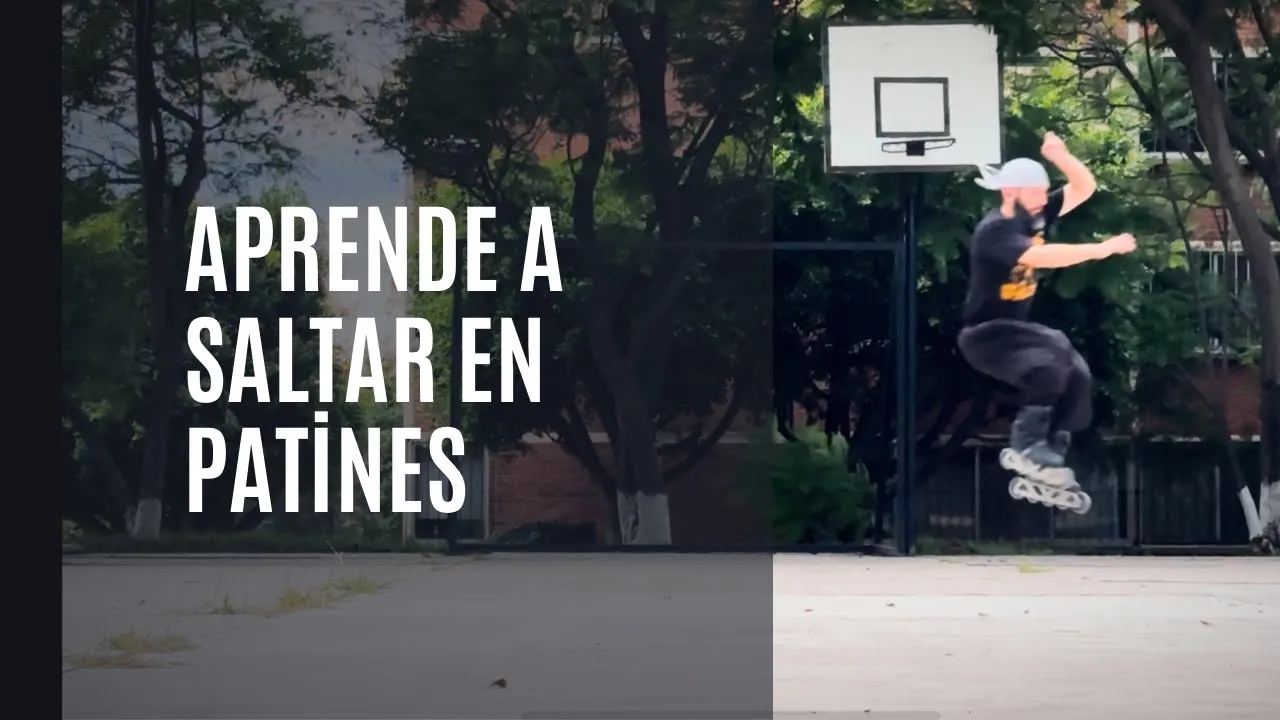
- Yes: from the fakie toe press you do a pop 180 — a short jump from the toe press position — to close the line. It's different from the 180 in combo #1, which was a collapse with the wheels looking for the floor.
Sources
The nomenclature of families and variations follows the official source. The drills, progressions and teaching concepts around it are ARCO's own elaboration, created to communicate the ideas.
Skate with protective gear and at your own pace: skating carries a risk of falls. Read the terms of use.